Vestibular Physiotherapy in Manchester

Specialist assessment and rehabilitation for dizziness, vertigo, and balance disorders, helping you regain confidence and return to normal daily life.

BPPVVestibular NeuritisConcussionCervicogenic DizzinessPPPDMenière's Disease
Specialist Physiotherapy

What is vestibular physiotherapy?

Vestibular physiotherapy is a specialist branch of physiotherapy that assesses and treats disorders of the vestibular system, the inner ear structures and brain pathways that control balance, spatial orientation, and gaze stability. Using clinical tests including the Dix-Hallpike, head impulse test, and dynamic balance assessment, a vestibular physiotherapist can identify the specific cause of dizziness or vertigo and deliver targeted treatment, from canalith repositioning manoeuvres for BPPV to progressive rehabilitation programmes for chronic balance disorders.

At Full Motion Physio in Manchester, vestibular assessment and rehabilitation is delivered in line with ACPIVR clinical guidelines by an HCPC registered physiotherapist, with direct access and no GP referral required.

Book a Consultation
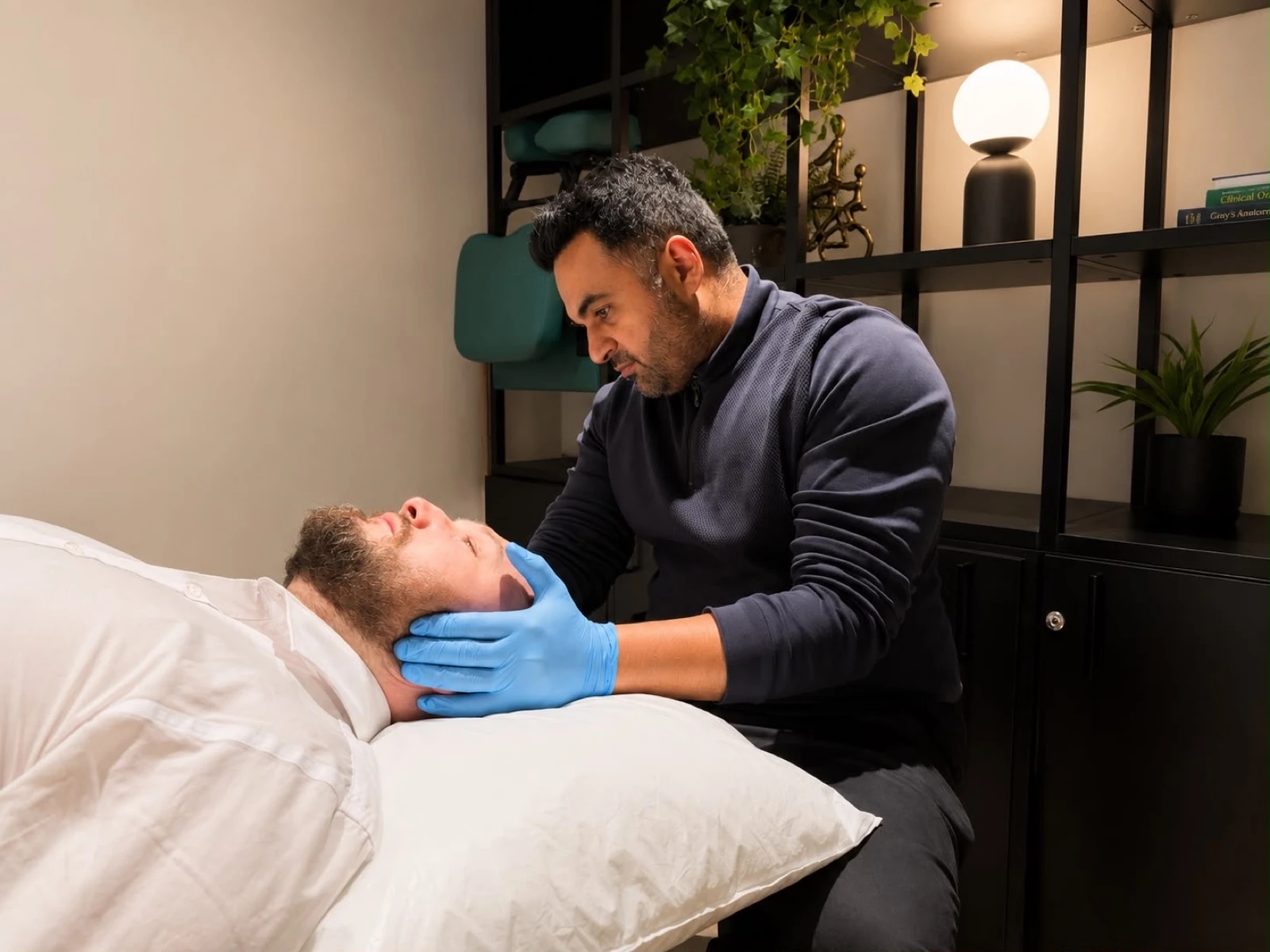
Physiotherapist performing a positional head and neck vestibular assessment at Full Motion Physio Manchester
Who It Is For

Who vestibular physiotherapy is for

Vertigo & BPPV

People with brief spinning episodes triggered by position changes, the most common cause of vertigo.

Post-viral dizziness

Those left with persistent dizziness and imbalance after vestibular neuritis or labyrinthitis.

Neck-related dizziness

Dizziness arising from the cervical spine after whiplash, neck injury, or prolonged posture.

Balance & falls risk

Anyone with ongoing unsteadiness, reduced confidence, or falls risk who wants to move safely again.

Menière's & concussion

Support for balance and confidence between Menière's episodes and after concussion-related dizziness.

What It Helps

Symptoms vestibular physiotherapy helps with

Brief spinning vertigo triggered by head movements or rolling over in bed.

Dizziness when looking up, bending down, or changing position.

Sudden, severe dizziness and unsteadiness after a viral illness.

Dizziness and headaches linked to neck pain or posture.

Persistent imbalance, unsteadiness, and reduced confidence on your feet.

Visual disturbance or a sense of movement with head turns.

Why It Matters

Why vestibular problems need specialist physiotherapy

Dizziness and balance disorders are among the most common reasons people visit their GP, yet they are frequently undertreated or mismanaged with medication alone. The vestibular system, comprising the inner ear and its connections to the brain and eyes, is highly complex, and an accurate diagnosis requires specialist clinical assessment.

Vestibular physiotherapy moves beyond symptom management. Through detailed assessment of eye movements, head impulse tests, positional testing, and balance evaluation, the underlying cause of your dizziness can be identified and treated directly. Cochrane evidence supports vestibular rehabilitation as first-line treatment for unilateral peripheral vestibular disorders, demonstrating significant improvements in symptoms, balance, and quality of life. For many conditions, including BPPV, the correct physiotherapy intervention produces rapid improvement and, in most cases, full resolution.

Accurate Diagnosis

Specialist assessment tools, including Dix-Hallpike testing, head impulse test, and dynamic visual acuity, identify the specific vestibular condition driving your symptoms.

Targeted Treatment

From canalith repositioning manoeuvres for BPPV (the Epley, Semont, and BBQ roll) to vestibulo-ocular reflex (VOR) and cervico-ocular reflex (COR) training, gaze stabilisation, and balance retraining, treatment is matched precisely to your diagnosis.

Graded Rehabilitation

A structured home exercise programme is integral to vestibular rehabilitation, with exercises carefully progressed to stimulate central compensation without unnecessary symptom provocation.

Conditions We Treat

Vestibular conditions we treat

BPPV

Benign Paroxysmal Positional Vertigo

BPPV is the most common cause of vertigo and occurs when calcium crystals in the inner ear canals become dislodged. Canalith repositioning techniques, including the Epley manoeuvre, are supported by strong clinical evidence as first-line treatment and are effective in the majority of patients.

Common symptoms

  • Brief spinning sensation with head movement
  • Dizziness when rolling over in bed
  • Vertigo when looking up or bending down
  • Nausea with positional changes

Vestibular Neuritis & Labyrinthitis

Post-viral vestibular conditions

Following viral inflammation of the vestibular nerve or inner ear, patients often experience persistent dizziness and imbalance. Evidence-based vestibular rehabilitation, including gaze stabilisation exercises and balance retraining, supports the central compensation process and functional recovery.

Common symptoms

  • Sudden onset severe dizziness
  • Unsteadiness and difficulty walking
  • Nausea and vomiting
  • Visual disturbance with head movement

Cervicogenic Dizziness

Neck-related dizziness

Dizziness arising from the cervical spine, often following whiplash, neck injury, or prolonged poor posture, is managed through a combination of manual therapy and vestibular rehabilitation, addressing both the cervical and vestibular contributions to symptoms.

Common symptoms

  • Dizziness associated with neck pain or stiffness
  • Light-headedness after prolonged desk posture
  • Unsteadiness with head turns
  • Headaches originating from the base of the skull

Menière's Disease

Endolymphatic hydrops

Menière's disease is primarily managed through medical treatment. Vestibular physiotherapy does not treat the acute episodes themselves, but addresses the persistent balance deficits, gait instability, and reduced confidence that commonly develop between episodes, supported by evidence for improving postural stability and quality of life.

Common symptoms

  • Episodic vertigo lasting 20 minutes to several hours
  • Fluctuating sensorineural hearing loss
  • Tinnitus
  • Aural fullness or pressure
Physiotherapist performing a positional repositioning manoeuvre for BPPV at Full Motion Physio Manchester
The Process

The vestibular assessment process

1

Detailed History

A thorough account of your symptoms, triggers, onset, and impact on daily life guides the assessment and narrows the differential diagnosis.

2

Clinical Assessment

Specialist tests including Dix-Hallpike, head impulse testing, smooth pursuit, nystagmus assessment, and balance measures identify the source of your dizziness.

3

Diagnosis & Education

You will receive a clear explanation of your diagnosis and the evidence behind the treatment plan. Understanding your condition is an important part of recovery.

4

Treatment & Rehab

Treatment begins in the same session where appropriate, from repositioning manoeuvres to the start of a personalised vestibular exercise programme.

Physiotherapist carrying out a positional vestibular and balance assessment at Full Motion Physio Manchester

Vestibular Physiotherapy FAQs

Vestibular physiotherapy is a specialist area of physiotherapy focused on assessing and treating disorders of the vestibular system, the inner ear and brain pathways responsible for balance and spatial orientation. It uses specific assessment tools, repositioning manoeuvres, and targeted exercise programmes to treat dizziness, vertigo, and balance problems. It is delivered in line with ACPIVR (Association of Chartered Physiotherapists in Vestibular Rehabilitation) clinical guidelines.
Vestibular dizziness is typically characterised by a sensation of spinning or movement (vertigo), unsteadiness, or visual disturbance, particularly with head movements or position changes. A thorough vestibular assessment can determine whether your symptoms are vestibular in origin and identify the specific condition. Common red flags such as sudden severe headache, double vision, or neurological symptoms warrant urgent medical review first.
BPPV (Benign Paroxysmal Positional Vertigo) is caused by displaced calcium crystals in the inner ear canals, producing brief episodes of spinning triggered by specific head movements, typically lasting under a minute. Labyrinthitis is an inflammation of the entire inner ear (usually viral), causing sudden, severe, constant dizziness that gradually improves over days to weeks as the brain compensates. Both respond well to vestibular physiotherapy, but via different treatment approaches, BPPV with repositioning manoeuvres, and labyrinthitis with gaze stabilisation and balance retraining.
Treatment is matched to the specific diagnosis. For BPPV, this means canalith repositioning manoeuvres: the Epley manoeuvre and the Semont (liberatory) manoeuvre for posterior canal BPPV, and the BBQ roll (also called the barbecue or Lempert roll) for horizontal canal BPPV. For conditions such as vestibular neuritis and labyrinthitis, treatment focuses on gaze stabilisation through vestibulo-ocular reflex (VOR) training, alongside cervico-ocular reflex (COR) training, habituation, and balance retraining. The right approach depends on which part of the vestibular system is involved, which is why accurate assessment always comes first.
The Dix-Hallpike test is the standard clinical test for diagnosing posterior canal BPPV. You are guided through a specific change of head and body position while your eye movements are observed for the characteristic pattern (nystagmus) that confirms BPPV and identifies which ear and canal is affected. The result determines which repositioning manoeuvre, such as the Epley or Semont, is then used to treat it. For suspected horizontal canal BPPV, a supine roll test is used instead.
This varies depending on the diagnosis, the severity of your symptoms, and how long you have been affected. Some conditions respond relatively quickly to treatment while others require a longer rehabilitation programme. Khuram will provide a realistic, individualised prognosis following your initial vestibular assessment.
Yes, in an important supporting role. Vestibular physiotherapy cannot prevent or reduce the frequency of Menière's episodes. That requires medical management. However, between episodes, many patients with Menière's disease develop persistent balance deficits and anxiety around movement. Vestibular rehabilitation addresses these deficits directly, building central compensation, reducing falls risk, and improving confidence and quality of life.
NHS provision for vestibular physiotherapy varies significantly by region and waiting times can be lengthy. Private vestibular physiotherapy in Manchester at Full Motion Physio offers direct access, no GP referral required, with appointments typically available within days. This avoids the delays that can slow recovery, particularly for conditions like BPPV where early intervention produces significantly better outcomes.
No. Full Motion Physio offers direct access vestibular physiotherapy in Manchester, no referral is required. However, if your dizziness is new, severe, or accompanied by neurological symptoms such as facial numbness, double vision, or difficulty swallowing, please seek urgent medical attention before booking.
Some vestibular rehabilitation exercises work by deliberately provoking mild symptoms to stimulate the brain's compensation response. This is expected and part of the therapeutic process. Symptoms are carefully graded and monitored throughout your programme. Khuram will explain each exercise and why it is prescribed before you begin.

Take Control of Your Dizziness

Book vestibular physiotherapy with an HCPC registered physiotherapist in Manchester. No GP referral required.

Book an Appointment
Get in Touch