Common Injuries

Expert physiotherapy for the most common musculoskeletal injuries and conditions, treated with precision, care, and evidence-based methods.

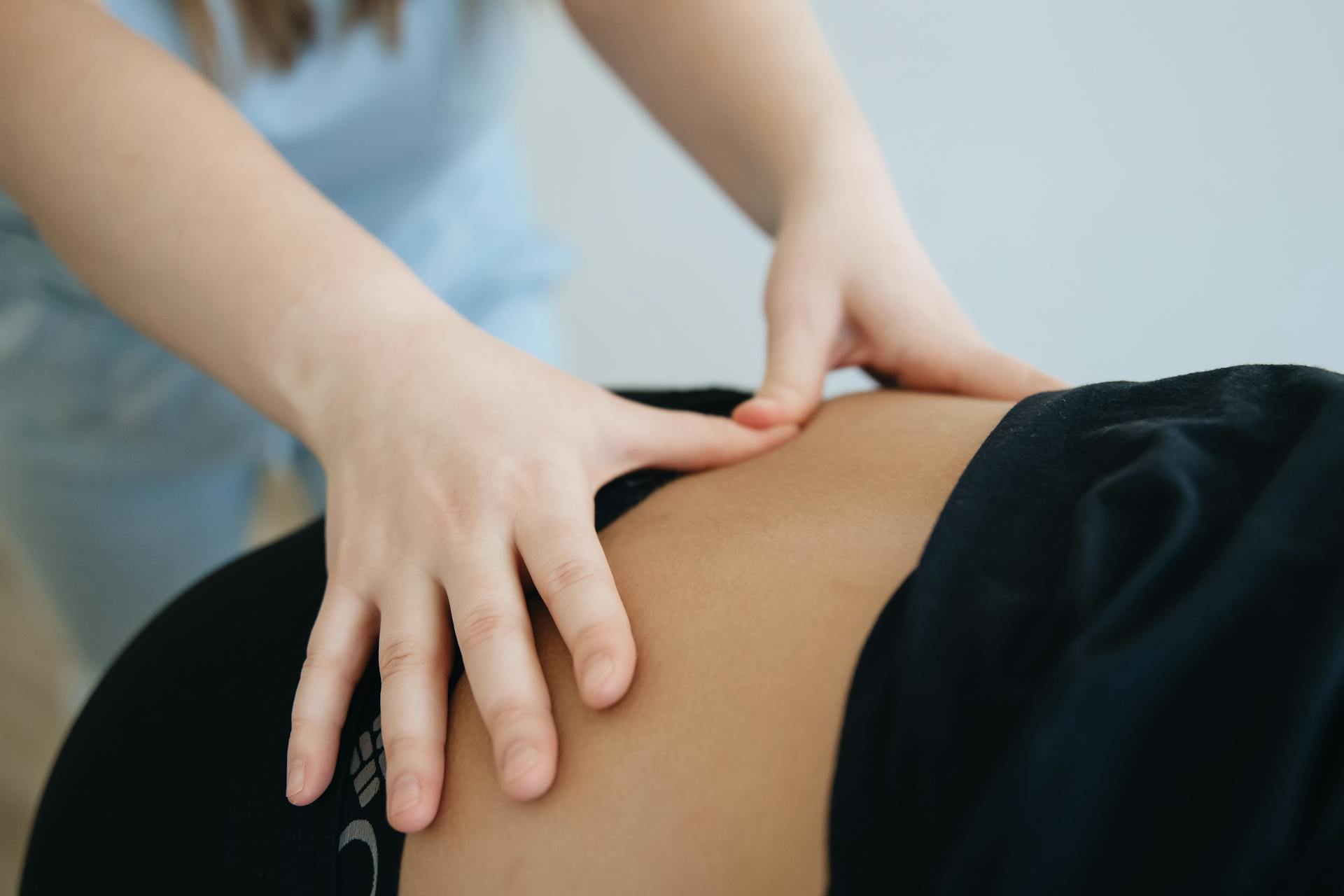
Physiotherapist providing hands-on manual therapy to a patient's lower back

Conditions We Treat

Common Injuries Treated at Our Manchester Clinic

Lower back pain

Lower back pain is one of the most common reasons for time off work in the UK. Most cases are not caused by a serious underlying problem, but that doesn't make them less painful or less disruptive. Causes range from muscle strain after lifting awkwardly, to facet joint irritation from long hours at a desk, to disc-related pain after a sudden movement.

How physiotherapy helps

Treatment is a combination of three things. First, a thorough assessment to work out which structures are driving your pain and what's keeping it going. Second, hands-on treatment to settle pain and free up movement. Third, a progressive exercise programme to rebuild strength through the hips, core, and trunk so the pain doesn't keep coming back.

Clinical guidelines are clear that staying active is more effective than bed rest for almost all types of back pain. Prolonged rest tends to make things worse, not better. Most people see meaningful improvement once they're moving again with the right plan in place.

When to seek urgent care

Most lower back pain settles with the right treatment. There are a few warning signs that need urgent medical attention rather than a physio appointment: loss of bladder or bowel control, numbness around the saddle area (groin or inner thighs), or progressive weakness in both legs. These can be signs of cauda equina syndrome and need same-day assessment at A&E.

Neck pain

Neck pain commonly comes from one of three places: long hours in sustained postures (desk work, driving, looking at a phone), muscle or joint irritation following a specific movement or sleeping position, or whiplash following a car accident or fall. Sometimes the pain stays in the neck. Sometimes it refers up into the head as a headache, or down into the shoulder, arm, or hand.

How physiotherapy helps

Assessment first works out which structures are involved, then treatment combines hands-on manual therapy with a progressive exercise programme. Manual therapy can quickly settle pain and free up restricted movement in the neck joints. Exercise rebuilds strength and endurance in the deep neck muscles and the postural muscles between the shoulder blades, which are usually the part that's been letting the neck down in the first place.

For neck pain with referred symptoms into the arm or hand, the assessment also screens for nerve involvement. Treatment in those cases includes specific neural mobilisation techniques alongside the standard approach.

What about posture?

Posture matters, but probably less than most people think. There is no single "perfect" posture that prevents neck pain. The body adapts to whatever load you give it, so the real protection is variety of movement and underlying strength, not sitting up straight all day. Treatment focuses on building the capacity to handle the postures your work and life actually require.

Shoulder pain

Most shoulder pain falls under subacromial pain syndrome, an umbrella term covering rotator cuff tendinopathy, subacromial bursitis, and rotator cuff-related pain, which often overlap. It typically causes pain over the outer shoulder and upper arm that is worse when reaching overhead, lifting, or lying on that side at night. Not all shoulder pain is the same, though: frozen shoulder, AC joint problems, and pain referred from the neck can present in a similar way and need telling apart.

How physiotherapy helps

The starting point is an accurate diagnosis, because the different causes of shoulder pain need different treatment. Assessment works out whether the problem is coming from the rotator cuff and subacromial bursa, the joint capsule, the AC joint, or the neck, and screens for anything that needs onward referral.

For rotator cuff-related and subacromial pain, the treatment with the strongest evidence is a progressive strengthening programme for the rotator cuff and the muscles that control the shoulder blade, combined with hands-on treatment to settle symptoms and short-term changes to whatever is aggravating it. High-quality trials have shown that, for most people, this kind of structured rehabilitation is as effective as surgery, and that keyhole subacromial decompression offers little benefit over a placebo procedure. Loading the tendon correctly is what builds lasting capacity, rather than resting it or relying on injections alone.

Frozen shoulder and warning signs

Frozen shoulder (adhesive capsulitis) is a separate condition that is often mistaken for rotator cuff pain. It causes a gradual, marked loss of movement in every direction, not just overhead, and moves through painful, stiff, and then thawing phases over many months. It is more common between the ages of 40 and 60 and in people with diabetes, and it responds to a different approach focused on managing pain and preserving movement, which is why getting the diagnosis right matters.

A sudden inability to actively lift the arm after a fall or trauma can point to a significant rotator cuff tear that needs imaging and a surgical opinion, and a shoulder that has dislocated should be assessed before starting rehabilitation. The assessment screens for these so the right cases are directed to the right place.

Ankle sprains

Ankle sprains are one of the most common sports and everyday injuries, and one of the most under-rehabilitated. Up to 70% of people who sprain an ankle go on to develop chronic ankle instability, with repeated sprains over the years, because the original injury was never properly rehabilitated. The bruising goes away. The strength, balance, and joint sense around the ankle don't come back on their own.

How physiotherapy helps

Treatment depends on the severity of the sprain. Grade 1 (mild ligament stretching) usually settles in one to three weeks. Grade 2 (partial tear) takes around three to six weeks. Grade 3 (complete tear) can take eight to twelve weeks or longer and sometimes needs surgical opinion.

Beyond the immediate management of swelling and pain, the focus is on restoring strength, balance, and proprioception (your body's sense of where the joint is in space). Proprioception is the bit that almost always fails after a sprain, and the bit that prevents the next one. Single-leg balance work, hopping and landing drills, and sport-specific movement form the second half of a proper ankle rehab programme.

When to seek urgent care

Severe pain immediately after the injury, inability to weight bear, obvious deformity, or pain along the bone (rather than just the soft tissue) can suggest a fracture and needs an X-ray. If there is any doubt, get it assessed in A&E or a minor injuries unit before booking physio.

Shin splints

Shin splints (medial tibial stress syndrome) is pain along the inner edge of the shin bone, typically in runners, footballers, dancers, and anyone who has rapidly increased their training. It happens when the load on the tibia and the surrounding muscles outpaces the body's ability to adapt to it.

How physiotherapy helps

The most important part of treatment is load management. That means finding the level of running or training your body can currently tolerate, building from there, and identifying the biomechanical factors that have made you vulnerable in the first place. Common drivers are weakness through the hip and calf, sudden jumps in training volume, hard surfaces, and footwear that isn't right for your foot type.

Treatment also includes hands-on work to settle the irritated tissue, a structured strength programme for the calf, hip, and foot, and a return-to-running plan that gradually builds the bone and muscle capacity to handle full training. Rushing back early is the single biggest reason shin splints become chronic.

When to seek further investigation

Shin pain that's localised to a single, very tender point on the bone, or that wakes you up at night, can be a sign of a stress fracture rather than shin splints. If those signs are present, an imaging referral may be needed before continuing rehab.

Common Questions

Physiotherapy is a well-evidenced, recommended treatment for lower back pain. Clinical guidelines support active rehabilitation, combining manual therapy, exercise, and education, as more effective than rest or passive treatments alone. Most people with back pain see meaningful improvements, though the pace and extent of recovery varies depending on the nature and duration of the problem.
Recovery depends on the severity of the sprain. Grade 1 sprains (mild ligament stretching) typically recover in 1–3 weeks. Grade 2 (partial tear) takes 3–6 weeks. Grade 3 (complete tear) may take 8–12 weeks or longer. Physiotherapy significantly improves outcomes and reduces the risk of re-injury.
For most types of neck pain, staying gently active with appropriate, guided movement is more beneficial than complete rest. This is supported by clinical guidelines for non-specific neck pain. Physiotherapy identifies the right exercises and load for your specific condition, helping to reduce pain and restore function more effectively than prolonged rest.
For most rotator cuff-related and subacromial shoulder pain, surgery is not the first-line answer. High-quality trials have found that a structured physiotherapy programme, progressively loading the rotator cuff and shoulder-blade muscles, is as effective as surgery for most people, and that subacromial decompression surgery offers little benefit over a placebo procedure. Surgery tends to be reserved for specific cases, such as significant traumatic rotator cuff tears, which the assessment helps identify.

Dealing with an Injury?

Book an assessment and start your recovery today.

Book an Appointment
Get in Touch