Performing Arts Physiotherapy

Specialist physiotherapy for dancers, musicians, and stage performers, understanding the unique physical demands of the performing arts and supporting you to stay performing wherever clinically safe to do so.

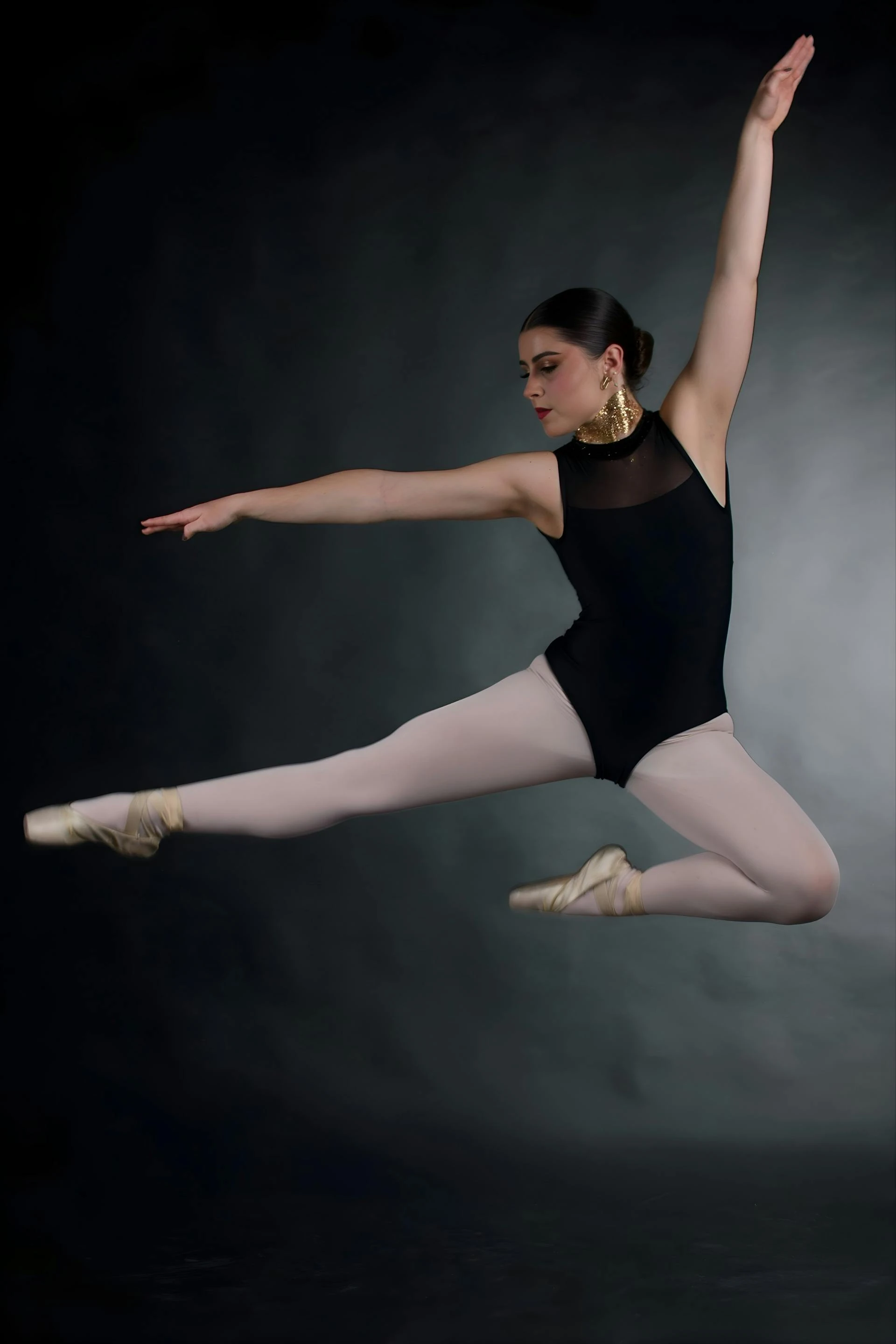
Ballet dancer captured mid-jump in performance

A Specialist Approach

Why Performing Artists Need Specialist Care

Performing artists are highly trained athletes of their craft. Dancers, musicians, singers, and stage performers place exceptional repetitive and skilled demands on their bodies, demands that are not well understood by physiotherapists without specific performing arts experience.

Generic treatment protocols designed for office workers or even conventional athletes are often inappropriate for performing artists. The goal is not simply to resolve pain. It is to restore performance and keep you on stage, in rehearsal, or at the instrument.

Khuram's approach combines clinical assessment with an understanding of artistic and technical demands, working collaboratively with you and, where helpful, your teachers or choreographers to achieve the best possible outcome.

By Discipline

Specialist Care for Every Performer

Dancers

Dancers are among the most injury-prone of all performing artists, with injury rates that match or exceed many professional sports. The combination of extreme range of movement, repetitive high-load technique, and the pressure to keep training through pain creates a distinct injury profile.

How physiotherapy helps

Treatment recognises that dancers can't simply rest their way better. Time off costs technique, fitness, and often work. The focus is on accurate diagnosis, modifying load rather than stopping entirely where it's safe to do so, and addressing the technical factors driving the injury: turnout, pointe readiness, core and hip control, and the way your specific discipline (ballet, contemporary, commercial) loads the body. Hypermobility, which is common in dancers, needs strengthening through range rather than more stretching.

Ankle and foot injuriesHip labral tears and impingementLower back painStress fracturesHypermobility-related instability

Musicians

Musicians develop injuries from sustained, repetitive, highly precise movements held in awkward postures for hours at a time. String players, pianists, guitarists, and wind players each have a distinct injury profile based on how they hold and play their instrument.

How physiotherapy helps

Treatment combines hands-on work for the affected tissue with a detailed look at playing posture, practice volume, and technique. Most musician injuries are overuse injuries, so the load management conversation is central: how long practice sessions run, how often breaks are taken, and whether a recent increase in playing (an exam, audition, or new piece) has triggered the problem. Where it helps, technique adjustments are worked through alongside your teacher.

Wrist and forearm tendinopathiesRepetitive strain injuriesThoracic outlet syndromeNeck and shoulder painPostural overuse

Singers & voice professionals

The voice is produced by a finely tuned system of small muscles, joints, and connective tissue around the larynx, jaw, and neck. For singers and professional voice users, that system carries a heavy, repetitive load, and like any high-load system it builds up tension and fatigue.

Laryngeal physiotherapy

Khuram is qualified in laryngeal physiotherapy, a specialist hands-on treatment that very few physiotherapists offer. It involves precise, gentle manual therapy around the larynx (voice box), the muscles above and below it, the jaw, and the neck, releasing the excess tension that builds up under heavy vocal load. It's used to ease vocal fatigue and effort, restore range and resonance, support recovery between performances and recordings, and help the voice work efficiently without strain.

This is offered both as part of the wider performing arts service and as a standalone treatment. You can read more about vocal massage and laryngeal work.

Vocal fatigue and effortJaw and throat tensionReduced range or resonanceRecovery between performancesBreath supportReturning to full voice after illness

Actors & stage performers

Stage performers and actors face a mix of physical demands: long runs with repeated performances, physically demanding staging and choreography, heavy or restrictive costumes, and the vocal and postural load of projecting night after night.

How physiotherapy helps

The focus is on keeping you on stage through a run wherever possible, managing the cumulative load of repeated performances, and addressing the specific physical demands of the production. For performers with heavy vocal demands, treatment can include the same laryngeal physiotherapy and soft tissue work used for singers, targeting the jaw, neck, and breathing muscles.

Back and neck painCostume and staging strainCumulative performance fatigueVocal and postural loadGeneral musculoskeletal overuse

Our Approach to Performing Arts Physiotherapy

Understand the Art Form

Assessment takes into account the specific physical demands of your discipline, classical ballet differs greatly from contemporary dance or musical theatre.

Keep You Performing

Where clinically safe, we work to maintain your involvement in rehearsal and performance while managing your rehabilitation alongside.

Address Root Causes

Technique-related factors, training load, and equipment are assessed alongside the clinical injury, treating the whole picture, not just the symptom.

Prevent Recurrence

Long-term resilience is built through targeted conditioning, load management strategies, and education on injury prevention.

Performing Arts Physiotherapy FAQs

Performing artists place unique and repetitive demands on their bodies that differ significantly from both everyday life and conventional sport. A dancer's hypermobility, a violinist's repetitive bowing technique, or a singer's postural demands require a physiotherapist who understands the art form and can tailor treatment accordingly, rather than applying a generic sports or orthopaedic approach.
Laryngeal physiotherapy is specialist hands-on treatment for the muscles and structures around the voice box, jaw, and neck. It releases the tension that builds up under heavy vocal load and helps the voice work more efficiently. Khuram is qualified in laryngeal physiotherapy and offers it for singers, actors, and other professional voice users, both as part of performing arts care and as a standalone treatment.
In many cases, yes. A key goal of performing arts physiotherapy is to keep you performing wherever possible, modifying the demands on the injured area while rehabilitation progresses. Khuram will work with you and, where appropriate, your teachers or directors to find a safe level of participation.
Ankle and foot injuries are among the most common in dancers, particularly those working en pointe. However, hip labral tears, stress fractures, low back pain, and knee problems are also highly prevalent. The type and frequency of technique (ballet, contemporary, commercial) significantly influences injury patterns.
Yes. Musicians commonly present with repetitive strain injuries, tendinopathies, and postural pain related to their instrument and playing technique. Common presentations include focal dystonia awareness, thoracic outlet syndrome, and wrist/forearm tendinopathies in guitarists, pianists, and string players.

A Performer? Let's Talk.

Book a performing arts physiotherapy assessment in Manchester.

Book an Appointment
Get in Touch