Boxing
Boxing places extreme repetitive demand on the shoulders, hands, wrists, neck, and core. Combat-specific injuries cluster around the hand and wrist from striking, the shoulder from prolonged guard position and punching mechanics, the rib cage from body shots, and the neck from absorbing punches and clinching.
How physiotherapy helps
Treatment starts with identifying which structure is actually injured, which often takes some unpicking in boxing. A "shoulder injury" can be rotator cuff impingement, AC joint pathology, biceps tendon irritation, or a labral issue. Each needs a different rehab approach. The same applies to wrist pain, where missing a hand wrap correction or a small carpal injury can derail months of training.
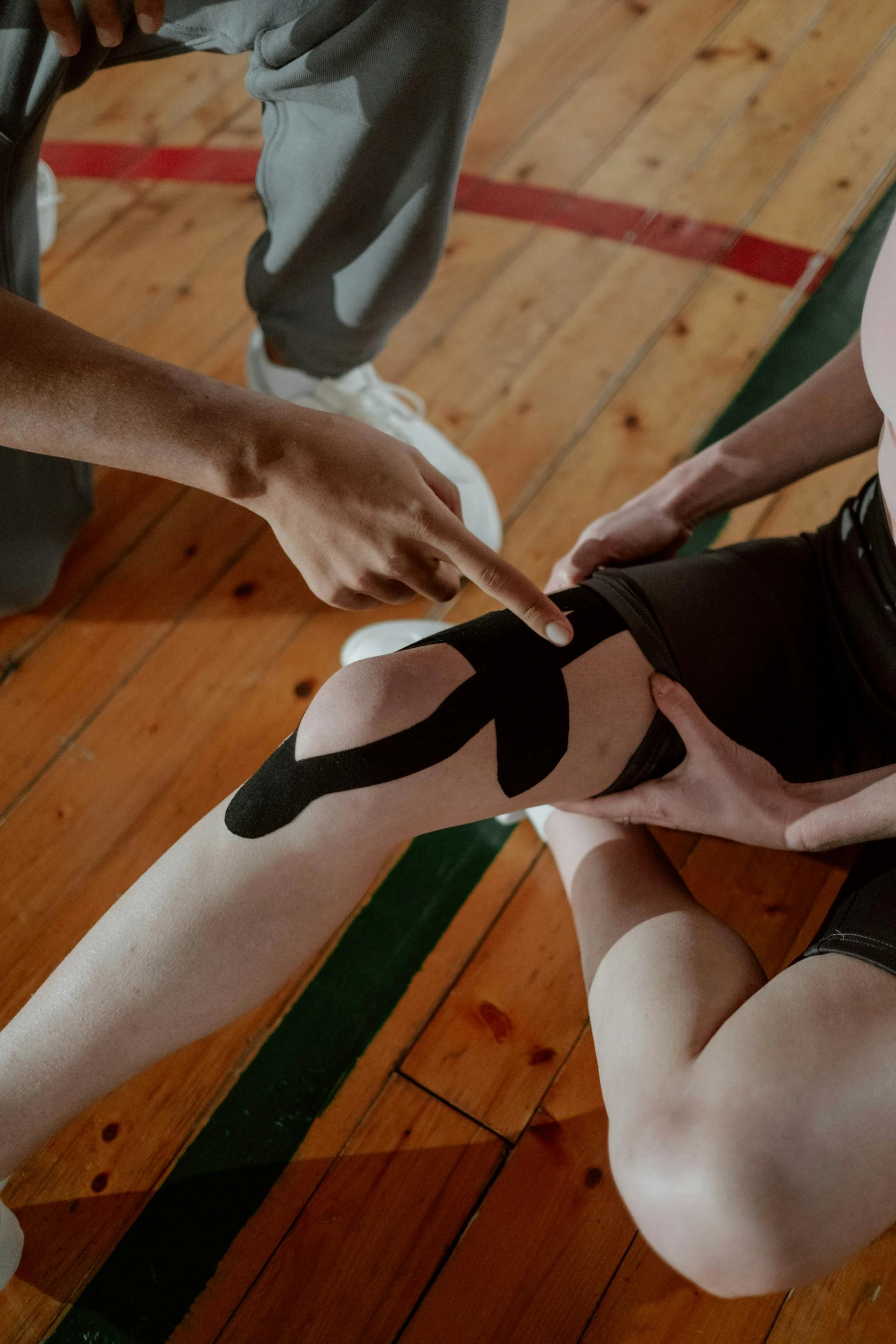
Once diagnosed, treatment combines hands-on work to settle pain and restore movement with a sport-specific strength and conditioning programme. For boxers, that means rebuilding shoulder endurance, restoring grip strength, and rebuilding the rotational power through the trunk. Return-to-sparring criteria are based on objective tests, not just whether the punch feels OK on the bag.
Training load review
Many boxing injuries are training-load injuries: too much volume, too quickly, without enough recovery. Part of the assessment includes a review of your training schedule and the structures most at risk, so the same injury doesn't recur the moment you ramp up again.